Strong writing often depends on presenting evidence clearly and credibly. The phrase “research shows” is commonly used in academic papers, blog posts, business reports, journal articles, and professional content to introduce findings and support claims. While effective, repeating the same phrase throughout a document can make writing feel repetitive and less engaging.
Learning other ways to say research shows can improve readability, strengthen authority, and help you communicate evidence more professionally. Whether you’re a student, researcher, marketer, educator, or content creator, using varied expressions can make your writing more polished and persuasive.
Quick Answer
Other ways to say “research shows” include studies indicate, evidence suggests, findings reveal, data demonstrates, and research indicates. The best alternative depends on your audience, writing style, and level of formality.
Academic Alternatives to Research Shows
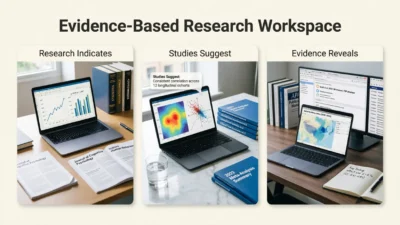
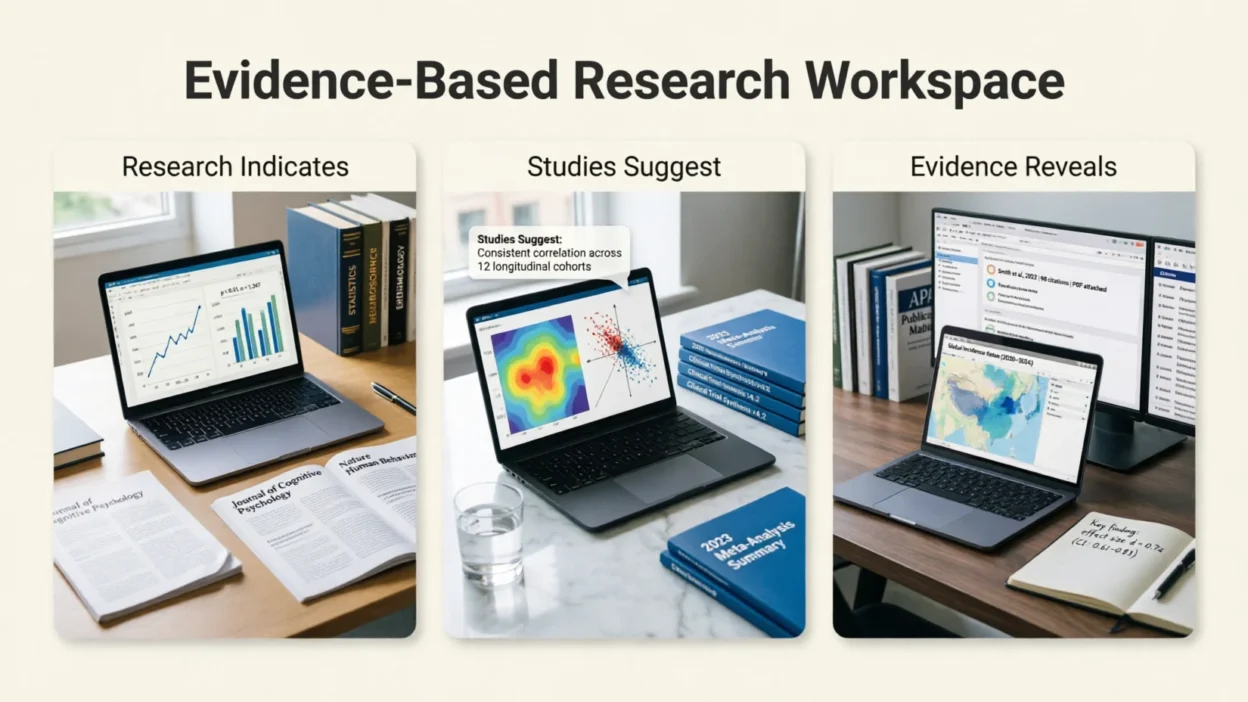
Research Indicates
Meaning: Research points toward a particular conclusion.
Usage Rule: Use in academic and professional writing.
Example: “Research indicates that regular exercise improves mental health.”
Tip: One of the most natural substitutes.
Studies Suggest
Meaning: Multiple studies point to a likely conclusion.
Usage Rule: Use when findings are supportive but not definitive.
Example: “Studies suggest that sleep quality affects productivity.”
Tip: Avoids overstating certainty.
Findings Reveal
Meaning: Research results uncover specific information.
Usage Rule: Ideal for discussing completed studies.
Example: “The findings reveal a strong connection between reading and vocabulary growth.”
Tip: Works well in reports.
Evidence Indicates
Meaning: Available evidence supports a conclusion.
Usage Rule: Suitable for formal writing.
Example: “Evidence indicates that early intervention improves outcomes.”
Tip: Broad enough to include various sources.
Research Demonstrates
Meaning: Research provides strong support for a claim.
Usage Rule: Use when evidence is substantial.
Example: “Research demonstrates the benefits of regular physical activity.”
Tip: Stronger than “suggests.”
Scholarly Research Shows
Meaning: Academic research supports a conclusion.
Usage Rule: Formal academic contexts.
Example: “Scholarly research shows that active learning increases engagement.”
Tip: Highlights academic credibility.
Scientific Studies Confirm
Meaning: Scientific investigations support a finding.
Usage Rule: Science and health-related content.
Example: “Scientific studies confirm the importance of hydration.”
Tip: Use only when evidence is well-established.
Formal Alternatives for Professional Writing
Data Shows
Meaning: Information collected supports a conclusion.
Usage Rule: Business and analytical reports.
Example: “Data shows an increase in customer satisfaction.”
Tip: Short and direct.
Data Demonstrates
Meaning: Data clearly supports a finding.
Usage Rule: Professional reports and presentations.
Example: “The data demonstrates improved performance.”
Tip: Strong and authoritative.
Analysis Reveals
Meaning: Examination of information uncovers findings.
Usage Rule: Business and research reports.
Example: “The analysis reveals changing consumer preferences.”
Tip: Useful when discussing reviewed data.
Evidence Suggests
Meaning: Available information points toward a conclusion.
Usage Rule: Professional and academic writing.
Example: “Evidence suggests that flexible schedules improve morale.”
Tip: Appropriate when certainty is moderate.
Research Findings Indicate
Meaning: Results from research support a conclusion.
Usage Rule: Formal reports and articles.
Example: “Research findings indicate a positive trend.”
Tip: Adds professionalism.
The Results Show
Meaning: Outcomes of a study demonstrate something.
Usage Rule: Research summaries.
Example: “The results show significant improvement.”
Tip: Simple and clear.
Collected Data Suggests
Meaning: Gathered information points to a conclusion.
Usage Rule: Surveys and reports.
Example: “Collected data suggests increased customer loyalty.”
Tip: Useful for business writing.
Scientific and Evidence-Based Alternatives
Empirical Evidence Shows
Meaning: Observable evidence supports a claim.
Usage Rule: Academic and scientific writing.
Example: “Empirical evidence shows the effectiveness of the program.”
Tip: Advanced academic term.
Research Findings Reveal
Meaning: Study outcomes uncover important insights.
Usage Rule: Scholarly discussions.
Example: “Research findings reveal patterns in consumer behavior.”
Tip: Formal and authoritative.
Studies Have Found
Meaning: Research has discovered a particular result.
Usage Rule: Academic and informational content.
Example: “Studies have found a link between exercise and longevity.”
Tip: Common in research writing.
Investigations Show
Meaning: Research investigations support a conclusion.
Usage Rule: Scientific and technical contexts.
Example: “Investigations show improved outcomes with early treatment.”
Tip: Professional alternative.
Evidence Demonstrates
Meaning: Evidence strongly supports a claim.
Usage Rule: Formal reports and academic work.
Example: “Evidence demonstrates the value of preventive care.”
Tip: Stronger than “suggests.”
Research Confirms
Meaning: Research verifies a conclusion.
Usage Rule: Use when evidence is substantial.
Example: “Research confirms the benefits of reading regularly.”
Tip: Avoid if evidence is still debated.
Observations Indicate
Meaning: Recorded observations suggest a finding.
Usage Rule: Scientific and analytical contexts.
Example: “Observations indicate a seasonal trend.”
Tip: Useful when discussing observed patterns.
Alternatives for Essays and Student Writing
Experts Have Found
Meaning: Specialists discovered a particular result.
Usage Rule: Educational and general writing.
Example: “Experts have found that practice improves performance.”
Tip: Easy for students to use.
Studies Have Shown
Meaning: Research supports a conclusion.
Usage Rule: Essays and reports.
Example: “Studies have shown the importance of healthy eating.”
Tip: Common academic phrase.
Researchers Discovered
Meaning: Researchers identified a finding.
Usage Rule: Academic and educational writing.
Example: “Researchers discovered a connection between sleep and learning.”
Tip: Engaging alternative.
Research Has Found
Meaning: Studies uncovered specific information.
Usage Rule: Essays and articles.
Example: “Research has found that teamwork increases efficiency.”
Tip: Simple and versatile.
Experts Agree
Meaning: Professionals share a similar conclusion.
Usage Rule: General informational writing.
Example: “Experts agree that communication is essential.”
Tip: Use only when consensus exists.
Research Points To
Meaning: Research suggests a direction or conclusion.
Usage Rule: Informal academic writing.
Example: “Research points to the benefits of daily exercise.”
Tip: Less formal but effective.
Studies Conclude
Meaning: Research reaches a specific conclusion.
Usage Rule: Academic writing.
Example: “Studies conclude that early education improves outcomes.”
Tip: Best when discussing final results.
Marketing and Content Writing Alternatives
Industry Research Shows
Meaning: Research within a specific industry supports a claim.
Usage Rule: Marketing and business content.
Example: “Industry research shows growing demand for online learning.”
Tip: Relevant for business audiences.
Consumer Data Reveals
Meaning: Customer information uncovers trends.
Usage Rule: Marketing reports.
Example: “Consumer data reveals changing buying habits.”
Tip: Useful for market analysis.
Market Research Indicates
Meaning: Market studies suggest a conclusion.
Usage Rule: Business and marketing content.
Example: “Market research indicates increased interest in sustainable products.”
Tip: Highly relevant for marketers.
Survey Results Show
Meaning: Survey findings support a claim.
Usage Rule: Reports and articles.
Example: “Survey results show strong customer satisfaction.”
Tip: Specific and credible.
Customer Feedback Suggests
Meaning: Customer opinions indicate a trend.
Usage Rule: Business and service content.
Example: “Customer feedback suggests a need for additional features.”
Tip: Practical business alternative.
Recent Findings Reveal
Meaning: New research uncovers information.
Usage Rule: Blogs and articles.
Example: “Recent findings reveal changes in consumer behavior.”
Tip: Highlights current information.
Industry Data Demonstrates
Meaning: Industry statistics support a conclusion.
Usage Rule: Corporate reports.
Example: “Industry data demonstrates rapid market growth.”
Tip: Professional and authoritative.
Placement and Grammar Rules Table
| Phrase | Tone | Example |
|---|---|---|
| Research Indicates | Academic | Research indicates a strong correlation |
| Evidence Suggests | Professional | Evidence suggests positive outcomes |
| Data Demonstrates | Formal | Data demonstrates significant growth |
Common Mistakes
Overusing One Phrase
Meaning: Repeating “research shows” throughout a document.
Usage Rule: Alternate with appropriate synonyms.
Example: Use “studies suggest” or “evidence indicates.”
Tip: Improves readability.
Overstating Research Findings
Meaning: Claiming certainty when evidence is limited.
Usage Rule: Use “suggests” when findings are not conclusive.
Example: “Evidence suggests” instead of “proves.”
Tip: Maintain accuracy.
Using Confirm Without Strong Evidence
Meaning: “Confirm” implies a high level of certainty.
Usage Rule: Reserve it for well-established findings.
Example: Use “indicates” when evidence is still emerging.
Tip: Avoid exaggeration.
Ignoring Audience Expectations
Meaning: Technical language may confuse general readers.
Usage Rule: Match terminology to your audience.
Example: Use “studies have found” for broader audiences.
Tip: Prioritize clarity.
Citing Research Without Sources
Meaning: Claims lack credibility without evidence.
Usage Rule: Reference reliable studies when possible.
Example: Support statements with citations.
Tip: Strengthens trustworthiness.
Practical Example Paragraphs
“Studies suggest that employees who receive regular feedback are more engaged at work. Research findings indicate that constructive communication improves performance, satisfaction, and long-term retention.”
“Market research indicates that consumers increasingly value sustainable products. Recent findings reveal that environmental concerns influence purchasing decisions across multiple industries.”
FAQs
What is the best alternative to research shows?
“Research indicates” is one of the closest and most professional alternatives.
Can I use studies suggest instead of research shows?
Yes, especially when findings are supportive but not absolutely conclusive.
What is a formal synonym for research shows?
“Evidence demonstrates,” “research findings reveal,” and “data indicates” are strong formal alternatives.
Which alternative works best in academic essays?
“Research indicates,” “studies have found,” and “evidence suggests” are widely accepted in academic writing.
Is research proves a good alternative?
Usually not. Research rarely proves something with complete certainty, so “suggests” or “indicates” is often more accurate.
Final Thoughts
Using other ways to say research shows can make your writing more engaging, professional, and credible. Different alternatives allow you to match the strength of the evidence while avoiding repetitive language.
Whether you’re writing an academic paper, business report, blog post, or marketing article, choosing the right evidence-based phrase helps communicate findings clearly and effectively.

Miller Rhodes is an American nonfiction writer focused on personal growth and modern entrepreneurship.
His work blends thoughtful analysis with practical strategies for navigating today’s digital world.
He writes to help readers think clearer, act smarter, and build meaningful success.