
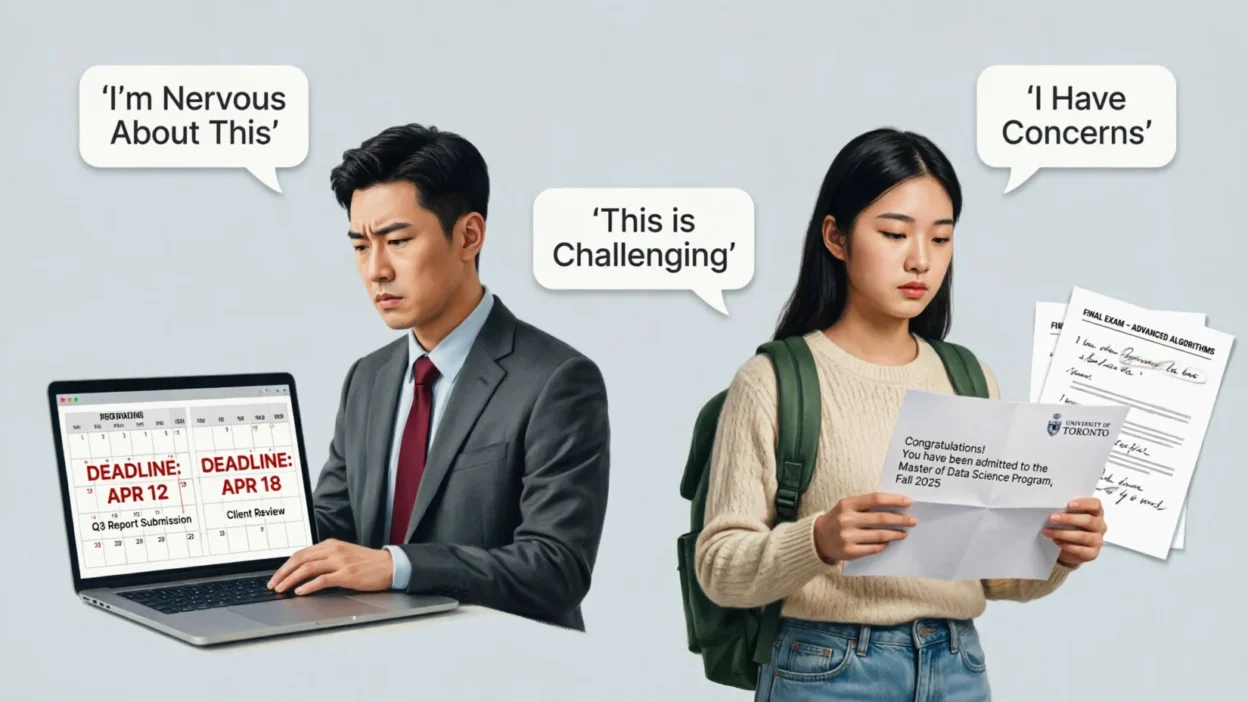
There are many situations where people want to express hesitation, dread, discomfort, or lack of excitement without sounding rude or repetitive. Using alternatives to “not looking forward to” can improve communication in professional emails, casual conversations, academic writing, and social interactions.
Whether you are talking about a difficult meeting, stressful event, challenging responsibility, or unpleasant experience, choosing the right phrase helps you sound more natural and emotionally intelligent. Different expressions can make your message softer, more professional, or even humorous depending on the situation.
This guide explores professional, polite, casual, and creative ways to say “not looking forward to,” along with examples, grammar tips, practical usage advice, and common mistakes to avoid.
Quick Answer
Some of the best other ways to say “not looking forward to” include “dreading,” “not excited about,” “feeling uneasy about,” “reluctant to,” and “not thrilled about.” The ideal alternative depends on the tone, context, and relationship with your audience.
Professional Ways to Say Not Looking Forward To
I Have Concerns About
Meaning / Definition:
A professional phrase used to express uncertainty or discomfort.
Usage Rule / How to Apply It:
Use in workplace discussions or formal emails when addressing challenges diplomatically.
Practical Examples:
“I have concerns about the upcoming deadline.”
“I have concerns about the proposed schedule.”
Notes / Tips:
Sounds respectful and solution-oriented.
I’m Not Particularly Enthusiastic About
Meaning / Definition:
A formal way to express low excitement.
Usage Rule / How to Apply It:
Best for professional communication where honesty must remain polite.
Practical Examples:
“I’m not particularly enthusiastic about the revised policy.”
“I’m not particularly enthusiastic about working overtime this weekend.”
Notes / Tips:
Softens negativity professionally.
I Feel Hesitant About
Meaning / Definition:
Shows uncertainty or reluctance.
Usage Rule / How to Apply It:
Use when discussing sensitive matters carefully.
Practical Examples:
“I feel hesitant about making changes so quickly.”
“I feel hesitant about approving the proposal.”
Notes / Tips:
Works well in leadership communication.
I’m Reluctant To
Meaning / Definition:
Expresses unwillingness or resistance.
Usage Rule / How to Apply It:
Appropriate for professional and academic settings.
Practical Examples:
“I’m reluctant to commit without more information.”
“She was reluctant to attend the conference.”
Notes / Tips:
Sounds formal and thoughtful.
I’m Not Eager To
Meaning / Definition:
A polite expression showing lack of excitement.
Usage Rule / How to Apply It:
Useful for business conversations and neutral discussions.
Practical Examples:
“I’m not eager to repeat the same mistakes.”
“We’re not eager to delay the project again.”
Notes / Tips:
Less emotional than “dreading.”
I Have Reservations About
Meaning / Definition:
Indicates doubt or concern.
Usage Rule / How to Apply It:
Best for professional feedback and decision-making.
Practical Examples:
“I have reservations about the new process.”
“They have reservations about the investment.”
Notes / Tips:
Sounds intelligent and balanced.
I’m Apprehensive About
Meaning / Definition:
Shows nervousness or worry about something upcoming.
Usage Rule / How to Apply It:
Use for serious or uncertain situations.
Practical Examples:
“I’m apprehensive about tomorrow’s interview.”
“She felt apprehensive about the presentation.”
Notes / Tips:
Strong professional alternative.
Casual Alternatives to Say Not Looking Forward To
I’m Dreading It
Meaning / Definition:
A common phrase showing strong dislike or worry.
Usage Rule / How to Apply It:
Use in informal conversations.
Practical Examples:
“I’m dreading the exam tomorrow.”
“I’m dreading that long meeting.”
Notes / Tips:
Very emotional and expressive.
I’m Not Excited About It
Meaning / Definition:
A relaxed way to show lack of enthusiasm.
Usage Rule / How to Apply It:
Suitable for casual speech and texting.
Practical Examples:
“I’m not excited about cleaning the house.”
“He’s not excited about the trip anymore.”
Notes / Tips:
Simple and natural.
I Could Do Without It
Meaning / Definition:
Suggests you would prefer to avoid something.
Usage Rule / How to Apply It:
Best for lighthearted conversations.
Practical Examples:
“I could do without another stressful week.”
“We could do without more delays.”
Notes / Tips:
Sounds conversational and slightly humorous.
I’m Not Thrilled About It
Meaning / Definition:
Shows mild disappointment or reluctance.
Usage Rule / How to Apply It:
Use when you want to sound casual but polite.
Practical Examples:
“I’m not thrilled about waking up early.”
“She’s not thrilled about the new rules.”
Notes / Tips:
Balanced and natural phrase.
I’m Kind of Nervous About It
Meaning / Definition:
Expresses emotional uncertainty.
Usage Rule / How to Apply It:
Best for personal conversations.
Practical Examples:
“I’m kind of nervous about tomorrow.”
“They’re nervous about the final results.”
Notes / Tips:
Creates an honest and relatable tone.
I’m Not Really Into It
Meaning / Definition:
A casual way to express disinterest.
Usage Rule / How to Apply It:
Use with friends or informal audiences.
Practical Examples:
“I’m not really into going out tonight.”
“He’s not really into horror movies.”
Notes / Tips:
Avoid in formal communication.
I’d Rather Avoid It
Meaning / Definition:
Directly communicates preference against something.
Usage Rule / How to Apply It:
Works in personal and semi-formal contexts.
Practical Examples:
“I’d rather avoid unnecessary drama.”
“She’d rather avoid public speaking.”
Notes / Tips:
Clear but polite.
Creative Ways to Say Not Looking Forward To
I’m Counting Down the Hours… Unfortunately
Meaning / Definition:
A humorous expression of dread.
Usage Rule / How to Apply It:
Use jokingly with friends or coworkers.
Practical Examples:
“I’m counting down the hours to the dentist appointment… unfortunately.”
“We’re counting down the hours to tax season.”
Notes / Tips:
Adds humor to frustration.
That’s Going To Be Rough
Meaning / Definition:
Suggests something will be difficult or unpleasant.
Usage Rule / How to Apply It:
Use conversationally.
Practical Examples:
“That’s going to be rough tomorrow morning.”
“The final exam is going to be rough.”
Notes / Tips:
Very natural in spoken English.
I’m Mentally Preparing Myself
Meaning / Definition:
Shows emotional preparation for something unpleasant.
Usage Rule / How to Apply It:
Best for humorous or relatable situations.
Practical Examples:
“I’m mentally preparing myself for the meeting.”
“She’s mentally preparing herself for the road trip.”
Notes / Tips:
Popular in casual speech.
I’m Bracing Myself
Meaning / Definition:
Indicates preparation for something stressful.
Usage Rule / How to Apply It:
Use before difficult experiences.
Practical Examples:
“I’m bracing myself for the feedback session.”
“We’re bracing ourselves for bad weather.”
Notes / Tips:
Strong emotional wording.
That’s Not Exactly My Favorite Thing
Meaning / Definition:
A softer and indirect expression of dislike.
Usage Rule / How to Apply It:
Useful when trying to remain polite.
Practical Examples:
“Public speaking isn’t exactly my favorite thing.”
“Long flights are not exactly my favorite thing.”
Notes / Tips:
Gentle and diplomatic.
I’m Not Counting on Enjoying It
Meaning / Definition:
Suggests low expectations.
Usage Rule / How to Apply It:
Use humorously or casually.
Practical Examples:
“I’m not counting on enjoying the paperwork.”
“He’s not counting on enjoying the meeting.”
Notes / Tips:
Sounds conversational.
I’m Preparing for the Worst
Meaning / Definition:
Expresses strong worry or pessimism.
Usage Rule / How to Apply It:
Use carefully in serious situations.
Practical Examples:
“I’m preparing for the worst during the interview.”
“They’re preparing for the worst-case scenario.”
Notes / Tips:
Can sound dramatic if overused.
Polite and Diplomatic Alternatives
I’m Slightly Concerned About
Meaning / Definition:
A gentle way to express worry.
Usage Rule / How to Apply It:
Best for professional discussions.
Practical Examples:
“I’m slightly concerned about the timeline.”
“We’re slightly concerned about the budget.”
Notes / Tips:
Keeps communication respectful.
I’m Unsure About It
Meaning / Definition:
Indicates uncertainty instead of direct negativity.
Usage Rule / How to Apply It:
Useful for constructive conversations.
Practical Examples:
“I’m unsure about moving forward immediately.”
“She’s unsure about the decision.”
Notes / Tips:
Neutral and safe wording.
I’m Not Fully Comfortable With It
Meaning / Definition:
Expresses discomfort politely.
Usage Rule / How to Apply It:
Ideal for workplace communication.
Practical Examples:
“I’m not fully comfortable with the proposal.”
“They’re not fully comfortable with the arrangement.”
Notes / Tips:
Professional and respectful.
I’m Cautious About It
Meaning / Definition:
Shows careful hesitation.
Usage Rule / How to Apply It:
Use during planning or decision-making.
Practical Examples:
“I’m cautious about investing too quickly.”
“We’re cautious about making changes.”
Notes / Tips:
Creates a thoughtful impression.
I’m Feeling Uneasy About It
Meaning / Definition:
Expresses emotional discomfort.
Usage Rule / How to Apply It:
Best for personal or sensitive topics.
Practical Examples:
“I’m feeling uneasy about the discussion.”
“He felt uneasy about the interview.”
Notes / Tips:
Emotionally expressive.
I’m Not Anticipating It Happily
Meaning / Definition:
A softer alternative to direct dread.
Usage Rule / How to Apply It:
Use in thoughtful writing.
Practical Examples:
“I’m not anticipating the meeting happily.”
“She’s not anticipating the trip happily.”
Notes / Tips:
Less common but elegant.
I’m Not Looking Forward to the Challenge
Meaning / Definition:
A refined version of the original phrase.
Usage Rule / How to Apply It:
Useful for professional honesty.
Practical Examples:
“I’m not looking forward to the challenge ahead.”
“They’re not looking forward to the transition.”
Notes / Tips:
Balanced and clear.
Updated Placement & Grammar Rules Table
| Synonym or Phrase | Sentence Position / Placement | Tone / Formality | Example Sentence |
|---|---|---|---|
| I’m dreading it | Beginning or end | Casual | “I’m dreading tomorrow’s exam.” |
| I’m apprehensive about | Beginning | Professional | “I’m apprehensive about the presentation.” |
| I have reservations about | Beginning | Formal | “I have reservations about the proposal.” |
| I’m not thrilled about it | Middle or end | Casual | “I’m not thrilled about the schedule.” |
| I’m reluctant to | Beginning | Formal | “I’m reluctant to make changes now.” |
| I’d rather avoid it | Beginning | Neutral | “I’d rather avoid conflict today.” |
| I’m mentally preparing myself | Beginning | Informal | “I’m mentally preparing myself for Monday.” |
Common Mistakes When Using Alternatives to Not Looking Forward To
Being Too Negative in Professional Settings
Using phrases like “I absolutely hate this” can sound unprofessional. Softer alternatives create better communication.
Overusing Dramatic Expressions
Words like “terrified” or “horrified” may sound exaggerated for ordinary situations.
Choosing Casual Phrases in Formal Emails
Expressions such as “not into it” may reduce professionalism in workplace communication.
Sounding Passive-Aggressive
Indirect negativity can confuse listeners. Be clear while remaining respectful.
Ignoring Tone and Audience
Always adjust your wording depending on whether you are speaking to coworkers, friends, clients, or family members.
Practical Example Paragraphs
In workplace communication, you might say: “I have reservations about the revised deadline because it may affect project quality. However, I’m open to discussing possible solutions.” This sounds professional, constructive, and diplomatic.
In casual conversations, natural alternatives sound better. For example: “I’m kind of nervous about tomorrow’s interview. I’ve been mentally preparing myself all week.” This creates an honest and relatable tone.
FAQs
What is another professional way to say not looking forward to?
Professional alternatives include “I have concerns about,” “I’m apprehensive about,” and “I have reservations about.”
Is dreading too negative for work emails?
Yes, “dreading” can sound overly emotional in formal communication. Softer alternatives work better professionally.
What is a casual synonym for not looking forward to?
Casual options include “not thrilled about,” “not excited about,” and “rather avoid.”
Can I use these phrases in academic writing?
Yes, but formal phrases like “hesitant about” or “concerned about” are more appropriate.
Which alternative sounds the most polite?
“I have reservations about” is one of the most diplomatic and professional alternatives.
Final Thoughts
Learning other ways to say “not looking forward to” helps improve communication by making your language more flexible, professional, and emotionally intelligent.
Different situations require different tones, and the right phrase can help you sound respectful without hiding your feelings.
Whether you are writing professional emails, speaking casually with friends, or expressing concern diplomatically, using varied alternatives creates stronger communication skills. Expanding your vocabulary also helps conversations sound more natural, confident, and engaging.

Miller Rhodes is an American nonfiction writer focused on personal growth and modern entrepreneurship.
His work blends thoughtful analysis with practical strategies for navigating today’s digital world.
He writes to help readers think clearer, act smarter, and build meaningful success.