
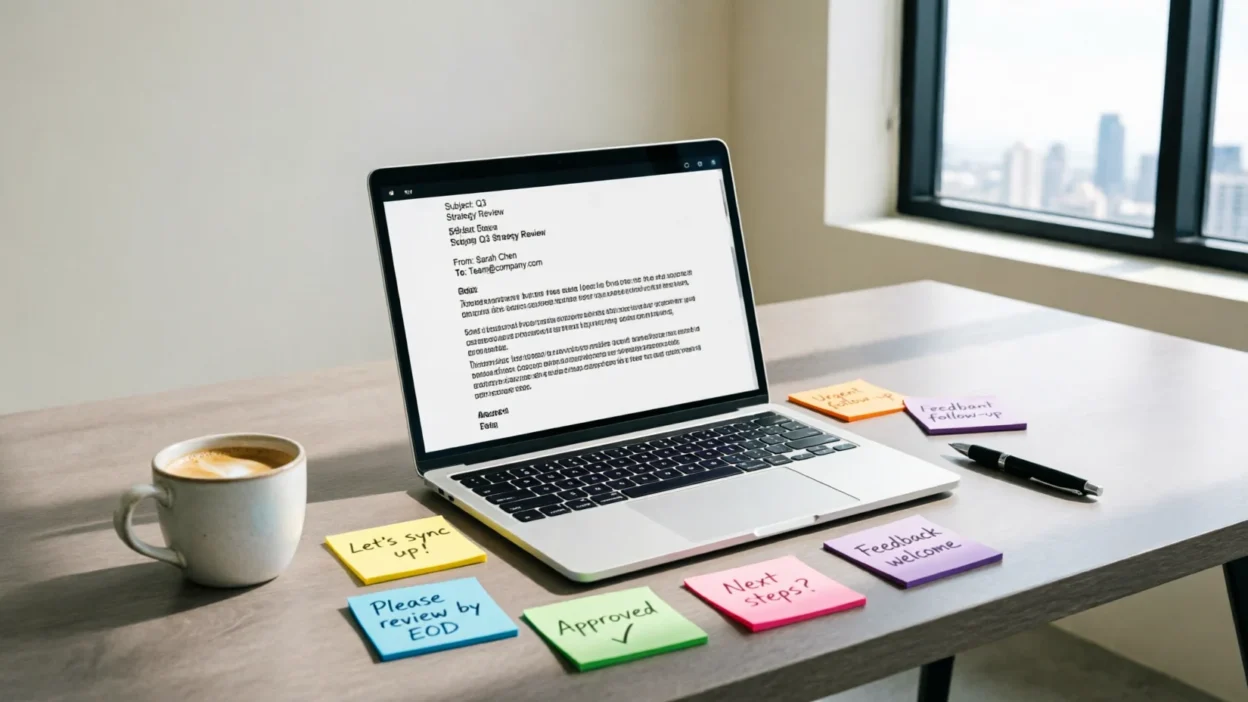
Clear and professional communication matters in emails, workplace discussions, customer service, and academic writing. While “please be advised” is commonly used to share important information, repeating the same phrase too often can make your writing sound robotic, outdated, or overly formal.
Learning other ways to say “please be advised” helps you sound more natural, polished, and reader-friendly. Whether you are writing a professional email, internal memo, customer notice, or casual update, using the right alternative improves tone, clarity, and engagement.
Quick Answer
Some of the best other ways to say “please be advised” include “please note,” “kindly note,” “be aware that,” “for your information,” and “keep in mind.” These alternatives can sound more modern, professional, polite, or conversational depending on the context.
Professional Alternatives to Say Please Be Advised
Please Note
Meaning / Definition:
Used to draw attention to important information politely and professionally.
Usage Rule / How to Apply It:
Place it at the beginning of a sentence before key details.
Practical Examples:
“Please note that the meeting has been rescheduled to Friday.”
Notes / Tips:
This is one of the most modern and widely accepted replacements.
Kindly Note
Meaning / Definition:
A softer and more polite variation of “please note.”
Usage Rule / How to Apply It:
Best used in formal business communication.
Practical Examples:
“Kindly note that office hours will change next month.”
Notes / Tips:
Works especially well in customer service emails.
Be Aware That
Meaning / Definition:
Warns or informs readers about important information.
Usage Rule / How to Apply It:
Use before deadlines, restrictions, or policy updates.
Practical Examples:
“Be aware that parking spaces are limited during the event.”
Notes / Tips:
Avoid overusing it because it can sound slightly serious.
For Your Information
Meaning / Definition:
Shares information without demanding action.
Usage Rule / How to Apply It:
Ideal for informational emails and updates.
Practical Examples:
“For your information, the new guidelines are now available online.”
Notes / Tips:
Often shortened to FYI in informal communication.
Keep in Mind
Meaning / Definition:
Encourages the reader to remember something important.
Usage Rule / How to Apply It:
Use in friendly or semi-formal conversations.
Practical Examples:
“Keep in mind that the project deadline is approaching.”
Notes / Tips:
Sounds conversational and supportive.
Please Remember
Meaning / Definition:
Politely reminds someone about a detail or responsibility.
Usage Rule / How to Apply It:
Use when reinforcing instructions or reminders.
Practical Examples:
“Please remember to submit your reports before noon.”
Notes / Tips:
Friendly and easy to understand.
It Is Important to Note
Meaning / Definition:
Highlights especially critical information.
Usage Rule / How to Apply It:
Use in reports, academic writing, or formal notices.
Practical Examples:
“It is important to note that results may vary.”
Notes / Tips:
Adds authority and professionalism.
Formal Business Phrases Similar to Please Be Advised
We Would Like to Inform You
Meaning / Definition:
A highly professional notification phrase.
Usage Rule / How to Apply It:
Use in corporate announcements and official correspondence.
Practical Examples:
“We would like to inform you that your application was approved.”
Notes / Tips:
Professional but slightly lengthy.
Kindly Be Informed
Meaning / Definition:
A traditional formal expression for providing information.
Usage Rule / How to Apply It:
Suitable for legal or corporate environments.
Practical Examples:
“Kindly be informed that maintenance work will begin tomorrow.”
Notes / Tips:
Can sound outdated in casual business writing.
This Is to Inform You
Meaning / Definition:
Directly introduces important information.
Usage Rule / How to Apply It:
Use in formal letters and notices.
Practical Examples:
“This is to inform you that classes are canceled today.”
Notes / Tips:
Simple and professional.
We Wish to Notify You
Meaning / Definition:
Formally communicates news or updates.
Usage Rule / How to Apply It:
Best for official business notices.
Practical Examples:
“We wish to notify you about upcoming system upgrades.”
Notes / Tips:
Less common but highly formal.
Please Be Aware
Meaning / Definition:
Warns readers or highlights key information.
Usage Rule / How to Apply It:
Useful in announcements and advisories.
Practical Examples:
“Please be aware that delays are possible.”
Notes / Tips:
Avoid using it for positive announcements only.
You Should Know
Meaning / Definition:
Casually informs someone about something important.
Usage Rule / How to Apply It:
Best for conversational communication.
Practical Examples:
“You should know that registration closes tonight.”
Notes / Tips:
Too informal for legal writing.
Kindly Take Note
Meaning / Definition:
Politely requests attention to important details.
Usage Rule / How to Apply It:
Use in workplace or customer messages.
Practical Examples:
“Kindly take note of the updated policy.”
Notes / Tips:
Balanced between formal and polite.
Casual Alternatives to Please Be Advised
Just So You Know
Meaning / Definition:
Informal way to share information.
Usage Rule / How to Apply It:
Best in casual conversations or friendly emails.
Practical Examples:
“Just so you know, I’ll arrive a little late.”
Notes / Tips:
Avoid in highly professional documents.
Heads Up
Meaning / Definition:
Gives someone advance notice.
Usage Rule / How to Apply It:
Use in workplace chats or casual communication.
Practical Examples:
“Heads up — the meeting room has changed.”
Notes / Tips:
Friendly and modern.
FYI
Meaning / Definition:
Short for “for your information.”
Usage Rule / How to Apply It:
Common in emails and instant messaging.
Practical Examples:
“FYI, the client approved the proposal.”
Notes / Tips:
Too casual for formal reports.
Don’t Forget
Meaning / Definition:
Reminds someone about something important.
Usage Rule / How to Apply It:
Use for reminders and deadlines.
Practical Examples:
“Don’t forget to bring your ID card.”
Notes / Tips:
Friendly and direct.
Just a Reminder
Meaning / Definition:
Politely reminds readers of information.
Usage Rule / How to Apply It:
Perfect for follow-up emails.
Practical Examples:
“Just a reminder that payment is due tomorrow.”
Notes / Tips:
Warm and professional.
Keep This in Mind
Meaning / Definition:
Suggests remembering useful information.
Usage Rule / How to Apply It:
Good for advice and recommendations.
Practical Examples:
“Keep this in mind when planning your budget.”
Notes / Tips:
Sounds supportive.
Remember That
Meaning / Definition:
Emphasizes important details.
Usage Rule / How to Apply It:
Use in educational or instructional writing.
Practical Examples:
“Remember that practice improves performance.”
Notes / Tips:
Clear and conversational.
Customer Service Alternatives to Please Be Advised
We’d Like to Let You Know
Meaning / Definition:
Friendly customer-focused notification phrase.
Usage Rule / How to Apply It:
Use in customer support messages.
Practical Examples:
“We’d like to let you know your order has shipped.”
Notes / Tips:
Warm and approachable.
Kindly Be Aware
Meaning / Definition:
Polite warning or informational phrase.
Usage Rule / How to Apply It:
Useful in service announcements.
Practical Examples:
“Kindly be aware of possible delivery delays.”
Notes / Tips:
Professional yet respectful.
We Want to Inform You
Meaning / Definition:
Direct and transparent communication phrase.
Usage Rule / How to Apply It:
Use for updates or policy changes.
Practical Examples:
“We want to inform you about our new pricing structure.”
Notes / Tips:
Sounds honest and clear.
Please Take Note
Meaning / Definition:
Requests the reader’s attention politely.
Usage Rule / How to Apply It:
Good for instructions or alerts.
Practical Examples:
“Please take note of our revised business hours.”
Notes / Tips:
Professional and concise.
Important Information
Meaning / Definition:
Directly signals significant details.
Usage Rule / How to Apply It:
Works as an email heading or introduction.
Practical Examples:
“Important information regarding your subscription renewal.”
Notes / Tips:
Attention-grabbing and effective.
We Recommend Keeping in Mind
Meaning / Definition:
Offers guidance while sharing information.
Usage Rule / How to Apply It:
Useful in advisory communication.
Practical Examples:
“We recommend keeping in mind seasonal delivery delays.”
Notes / Tips:
Softens the tone.
Please Consider
Meaning / Definition:
Encourages careful attention or thought.
Usage Rule / How to Apply It:
Best for suggestions or advisories.
Practical Examples:
“Please consider arriving early during peak hours.”
Notes / Tips:
More suggestive than direct.
Academic and Technical Alternatives
It Should Be Noted
Meaning / Definition:
Introduces important academic or factual information.
Usage Rule / How to Apply It:
Common in essays and research papers.
Practical Examples:
“It should be noted that the sample size was limited.”
Notes / Tips:
Very formal and objective.
Notably
Meaning / Definition:
Highlights a key point or observation.
Usage Rule / How to Apply It:
Use before significant details.
Practical Examples:
“Notably, customer satisfaction increased this year.”
Notes / Tips:
Elegant and concise.
As a Reminder
Meaning / Definition:
Refreshes previously shared information.
Usage Rule / How to Apply It:
Useful in educational communication.
Practical Examples:
“As a reminder, assignments are due Friday.”
Notes / Tips:
Polite and clear.
Attention Is Drawn To
Meaning / Definition:
Formally directs focus to information.
Usage Rule / How to Apply It:
Best in official or legal contexts.
Practical Examples:
“Attention is drawn to the updated regulations.”
Notes / Tips:
Very formal wording.
Worth Mentioning
Meaning / Definition:
Introduces useful or interesting details.
Usage Rule / How to Apply It:
Suitable for semi-formal writing.
Practical Examples:
“It is worth mentioning that attendance improved significantly.”
Notes / Tips:
Natural and engaging.
You May Wish to Note
Meaning / Definition:
Politely suggests awareness of something.
Usage Rule / How to Apply It:
Useful in reports and professional advice.
Practical Examples:
“You may wish to note the revised guidelines.”
Notes / Tips:
Soft and diplomatic.
Please Observe
Meaning / Definition:
Requests careful attention to information.
Usage Rule / How to Apply It:
Use in instructions or official notices.
Practical Examples:
“Please observe the updated safety protocols.”
Notes / Tips:
Formal and instructional.
Updated Placement & Grammar Rules Table
| Synonym or Phrase | Sentence Position / Placement | Tone / Formality | Example Sentence |
|---|---|---|---|
| Please note | Beginning | Professional | “Please note that the office closes early today.” |
| Kindly note | Beginning | Formal | “Kindly note the revised schedule.” |
| FYI | Beginning or middle | Informal | “FYI, the event starts at 6 PM.” |
| Keep in mind | Beginning | Friendly | “Keep in mind that traffic may cause delays.” |
| It should be noted | Beginning | Academic | “It should be noted that results vary.” |
| Heads up | Beginning | Casual | “Heads up, the system is offline tonight.” |
| For your information | Beginning | Neutral | “For your information, your request was approved.” |
Common Mistakes When Using “Please Be Advised”
Using It Too Frequently
Repeating “please be advised” in every email makes communication sound robotic and overly formal. Rotate alternatives to maintain a natural tone.
Sounding Too Harsh
Some phrases like “be aware that” may sound strict if used incorrectly. Pair them with polite wording when possible.
Choosing the Wrong Formality Level
Using “FYI” in legal or corporate notices may appear unprofessional. Match the phrase to the audience and context.
Writing Long and Complex Sentences
Avoid adding unnecessary details after advisory phrases. Keep your message concise and readable.
Ignoring Tone Consistency
Do not mix extremely formal language with casual expressions in the same message. Maintain a consistent style.
Practical Example Paragraphs
In professional communication, replacing repetitive phrases improves readability and engagement. For example, instead of writing, “Please be advised that your appointment has changed,” you could say, “Kindly note that your appointment has been moved to Monday.” This version sounds smoother and more modern.
Customer support teams also benefit from varied wording. Rather than saying, “Please be advised of shipping delays,” companies may write, “We’d like to let you know that deliveries may take longer than expected.” This sounds more empathetic and customer-friendly.
FAQs
What is the best alternative to “please be advised”?
“Please note” is one of the best alternatives because it sounds professional, modern, and easy to understand.
Is “please be advised” outdated?
Many professionals consider it slightly outdated because it can sound overly formal or stiff in modern communication.
Can I use “FYI” instead of “please be advised”?
Yes, but only in informal or semi-formal situations. Avoid using “FYI” in legal or highly professional documents.
Which phrase is best for customer service emails?
“We’d like to let you know” works well because it sounds friendly and professional.
Is “kindly note” formal?
Yes, “kindly note” is formal and polite, making it suitable for workplace communication.
What is a casual way to say “please be advised”?
“Heads up” and “just so you know” are common casual alternatives.
Final Thoughts
Using other ways to say “please be advised” helps improve communication clarity, professionalism, and reader engagement. Choosing the right phrase allows your message to sound more natural and audience-appropriate.
Whether you are writing business emails, customer notices, academic content, or casual messages, varying your wording creates stronger communication. Modern alternatives like “please note,” “keep in mind,” and “for your information” make your writing more polished and effective.

Watson Maddox is a leadership and mindset writer known for his bold, straightforward voice.
He shares lessons on resilience, discipline, and high performance drawn from real-world experience.
His mission is simple: build strength, take action, and never settle for average.