Closing a message the right way can shape how your communication is received. While “sincerely” is a classic sign-off, using it repeatedly can feel outdated or overly formal. Exploring other ways to say sincerely helps you match tone, build rapport, and leave a stronger impression.
Different situations call for different closings—professional emails, friendly notes, or formal letters. This guide gives you practical alternatives with meanings, usage rules, and real examples to improve your writing style and communication clarity.
Quick Answer
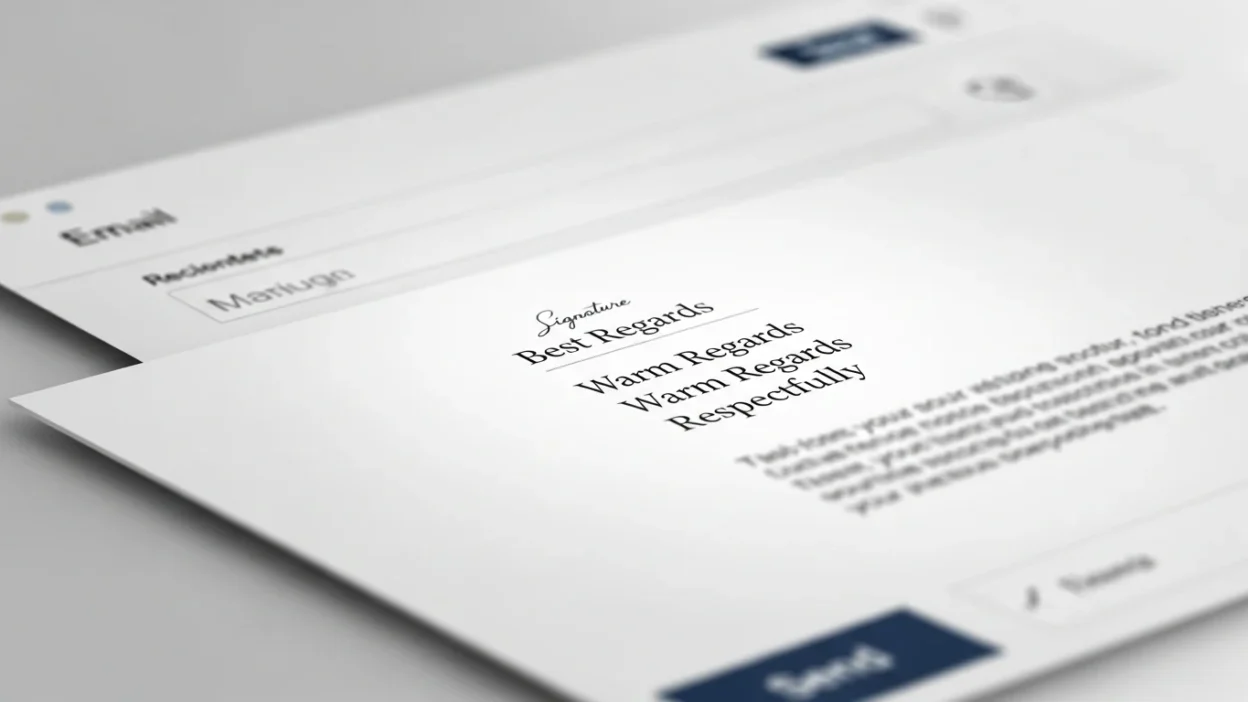
Other ways to say “sincerely” include “best regards,” “kind regards,” “warm regards,” and “respectfully,” depending on tone and context.
Professional and Formal Alternatives
Best Regards
Meaning: Polite and widely accepted closing
Usage: Professional emails
Example: “Best regards, Ahmed”
Tip: Safe for most situations
Kind Regards
Meaning: Slightly warmer than “best regards”
Usage: Business communication
Example: “Kind regards, Sarah”
Tip: Friendly yet professional
Yours Faithfully
Meaning: Formal closing when recipient unknown
Usage: Formal letters
Example: “Yours faithfully, Ali”
Tip: British English usage
Yours Truly
Meaning: Traditional formal closing
Usage: Formal or semi-formal
Example: “Yours truly, John”
Tip: Less common today
Respectfully
Meaning: Shows respect
Usage: Formal or hierarchical communication
Example: “Respectfully, Manager”
Tip: Use in serious tone
With Respect
Meaning: Formal acknowledgment
Usage: Official writing
Example: “With respect, Director”
Tip: Strong tone
Faithfully Yours
Meaning: Formal variant
Usage: Traditional letters
Example: “Faithfully yours, Ahmed”
Tip: Rare in modern emails
Friendly and Warm Alternatives
Warm Regards
Meaning: Friendly yet professional
Usage: Emails and networking
Example: “Warm regards, Aisha”
Tip: Balanced tone
All the Best
Meaning: Positive and friendly
Usage: Casual or semi-formal
Example: “All the best, Usman”
Tip: Great for endings
Best Wishes
Meaning: Expresses goodwill
Usage: Friendly/professional
Example: “Best wishes, Zara”
Tip: Versatile
Take Care
Meaning: Personal and caring
Usage: Informal
Example: “Take care, Ali”
Tip: Not for formal emails
Cheers
Meaning: Casual closing
Usage: Informal communication
Example: “Cheers, Hamza”
Tip: Avoid in formal context
Thanks Again
Meaning: Appreciation
Usage: Follow-up emails
Example: “Thanks again, Bilal”
Tip: Shows gratitude
Many Thanks
Meaning: Strong appreciation
Usage: Professional or casual
Example: “Many thanks, Sara”
Tip: Friendly tone
Polite and Neutral Alternatives
Regards
Meaning: Neutral closing
Usage: Emails
Example: “Regards, Ahmed”
Tip: Simple and safe
Best
Meaning: Short and modern
Usage: Emails
Example: “Best, Ali”
Tip: Very common
With Appreciation
Meaning: Gratitude
Usage: Professional
Example: “With appreciation, Team”
Tip: Use when thankful
Cordially
Meaning: Formal politeness
Usage: Invitations or letters
Example: “Cordially, Manager”
Tip: Slightly formal
With Thanks
Meaning: Appreciation tone
Usage: Emails
Example: “With thanks, Aisha”
Tip: Polite
Gratefully
Meaning: Expresses gratitude
Usage: Personal or professional
Example: “Gratefully, Sara”
Tip: Emotional tone
Yours Respectfully
Meaning: Respectful closing
Usage: Formal communication
Example: “Yours respectfully, Ali”
Tip: Formal tone
Creative and Modern Alternatives
Stay Well
Meaning: Positive and caring
Usage: Modern communication
Example: “Stay well, Ahmed”
Tip: Friendly tone
Talk Soon
Meaning: Expecting future contact
Usage: Casual
Example: “Talk soon, Sara”
Tip: Informal
Until Next Time
Meaning: Temporary goodbye
Usage: Friendly
Example: “Until next time, Ali”
Tip: Conversational
Keep in Touch
Meaning: Encourages communication
Usage: Networking
Example: “Keep in touch, Ahmed”
Tip: Relationship-building
Have a Great Day
Meaning: Positive closing
Usage: Casual/professional
Example: “Have a great day, Sara”
Tip: Friendly
Looking Forward
Meaning: Anticipation
Usage: Emails
Example: “Looking forward, Ali”
Tip: Often paired with context
Speak Soon
Meaning: Future interaction
Usage: Informal
Example: “Speak soon, Ahmed”
Tip: Casual tone
Email and Business Context Alternatives
With Kindest Regards
Meaning: Very polite
Usage: Formal emails
Example: “With kindest regards, Manager”
Tip: Formal tone
Yours Sincerely Always
Meaning: Emotional closing
Usage: Personal letters
Example: “Yours sincerely always, Sara”
Tip: Not for business
Respectfully Yours
Meaning: Formal respect
Usage: Official communication
Example: “Respectfully yours, Director”
Tip: Strong tone
With Gratitude
Meaning: Thankfulness
Usage: Professional
Example: “With gratitude, Team”
Tip: Positive tone
Appreciatively
Meaning: Recognition
Usage: Emails
Example: “Appreciatively, Ahmed”
Tip: Polite
With Warm Wishes
Meaning: Friendly tone
Usage: Semi-formal
Example: “With warm wishes, Sara”
Tip: Balanced tone
In Appreciation
Meaning: Gratitude-focused
Usage: Professional
Example: “In appreciation, Ali”
Tip: Formal tone
Placement and Grammar Rules Table
| Phrase | Tone | Example |
|---|---|---|
| Best regards | Professional | Best regards, Ahmed |
| Warm regards | Friendly | Warm regards, Sara |
| Respectfully | Formal | Respectfully, Director |
Common Mistakes
Using overly casual closings in formal emails can reduce professionalism. Repeating “sincerely” in every message feels outdated.
Choosing overly formal closings in friendly emails may sound distant. Forgetting commas before names is a common error. Always match tone with audience and context.
Practical Example Paragraphs
“Thank you for your time and consideration. I look forward to your response and hope we can move forward soon. Best regards, Ahmed”
“I really appreciate your help on this project. It made a big difference, and I’m grateful for your support. Warm regards, Sara”
FAQs
What is the best alternative to “sincerely”?
“Best regards” is the most versatile and widely used alternative.
Is “sincerely” still appropriate?
Yes, but it may sound formal or outdated in casual communication.
What should I use in professional emails?
Use “kind regards,” “best regards,” or “respectfully.”
Are casual closings acceptable at work?
Only in informal workplace environments.
What is the most polite email closing?
“With kindest regards” or “respectfully” are very polite options.
Final Thoughts
Using other ways to say sincerely helps you improve communication by matching tone, building relationships, and avoiding repetition. It allows you to express professionalism or warmth depending on the situation.
By choosing the right closing, you can leave a lasting impression, enhance clarity, and strengthen both personal and professional communication.

Watson Maddox is a leadership and mindset writer known for his bold, straightforward voice.
He shares lessons on resilience, discipline, and high performance drawn from real-world experience.
His mission is simple: build strength, take action, and never settle for average.