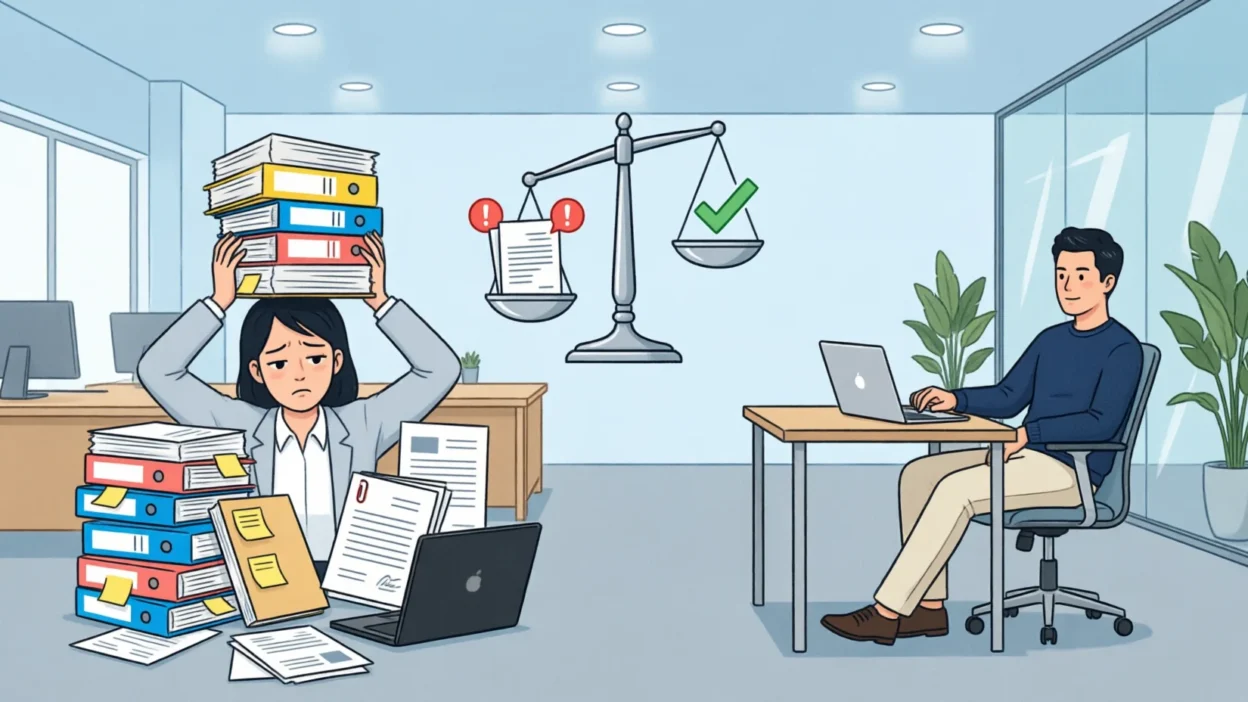
The phrase “short end of the stick” is commonly used to describe situations where someone receives unfair treatment, fewer benefits, or an unfavorable outcome. While the expression is widely understood, repeating it in professional writing, academic work, business communication, or creative content can become repetitive. Using alternative phrases improves clarity, strengthens tone, and helps match the context more effectively.
Whether you are writing essays, workplace emails, reports, conversations, or storytelling content, knowing other ways to say “short end of the stick” can make your communication more polished and expressive. Some alternatives sound formal and professional, while others work better in casual or emotional situations.
This guide explores professional synonyms, casual expressions, workplace alternatives, grammar rules, practical examples, common mistakes, and real-world applications for replacing the phrase “short end of the stick.”
Quick Answer
Some of the best other ways to say “short end of the stick” include “received unfair treatment,” “got the worse deal,” “was placed at a disadvantage,” “drew the short straw,” and “ended up with fewer benefits.” The best option depends on the tone and context.
Professional Alternatives to Say Short End of the Stick
Received Unfair Treatment
Meaning / Definition:
Describes a situation where someone is treated inequitably.
Usage Rule / How to Apply It:
Best for workplace, academic, and legal discussions.
Practical Examples:
Employees felt they received unfair treatment during the restructuring.
Notes / Tips:
Professional and direct replacement.
Was Placed at a Disadvantage
Meaning / Definition:
Indicates someone faced unfavorable conditions.
Usage Rule / How to Apply It:
Useful in formal and business writing.
Practical Examples:
Smaller companies were placed at a disadvantage in the bidding process.
Notes / Tips:
Neutral and polished tone.
Got the Worse Deal
Meaning / Definition:
Received fewer benefits or opportunities.
Usage Rule / How to Apply It:
Works in both casual and professional communication.
Practical Examples:
The junior staff got the worse deal during budget cuts.
Notes / Tips:
Simple and conversational.
Experienced an Unfavorable Outcome
Meaning / Definition:
Faced a negative or less beneficial result.
Usage Rule / How to Apply It:
Ideal for reports and academic writing.
Practical Examples:
Several departments experienced an unfavorable outcome after policy changes.
Notes / Tips:
Formal and analytical.
Ended Up on the Losing Side
Meaning / Definition:
Did not benefit from a situation.
Usage Rule / How to Apply It:
Suitable for workplace or competitive contexts.
Practical Examples:
Local vendors ended up on the losing side of the contract negotiations.
Notes / Tips:
Adds slight emotional emphasis.
Faced Unequal Circumstances
Meaning / Definition:
Encountered unfair or imbalanced conditions.
Usage Rule / How to Apply It:
Best for professional discussions.
Practical Examples:
Remote workers sometimes face unequal circumstances compared to office staff.
Notes / Tips:
Excellent for formal writing.
Received Limited Benefits
Meaning / Definition:
Obtained fewer rewards or advantages.
Usage Rule / How to Apply It:
Useful in HR and policy discussions.
Practical Examples:
Part-time employees received limited benefits under the plan.
Notes / Tips:
Clear and professional wording.
Casual and Conversational Alternatives
Drew the Short Straw
Meaning / Definition:
Was unlucky or chosen for an unpleasant task.
Usage Rule / How to Apply It:
Common in casual speech.
Practical Examples:
I drew the short straw and had to work the weekend shift.
Notes / Tips:
Very common idiomatic alternative.
Got the Bad End of the Deal
Meaning / Definition:
Received a poor outcome in an agreement.
Usage Rule / How to Apply It:
Best for conversations and informal writing.
Practical Examples:
He got the bad end of the deal after the merger.
Notes / Tips:
Natural conversational tone.
Came Out Behind
Meaning / Definition:
Ended up with fewer gains than others.
Usage Rule / How to Apply It:
Useful in financial or competitive contexts.
Practical Examples:
Smaller investors came out behind after the market shift.
Notes / Tips:
Simple and flexible phrase.
Got the Raw Deal
Meaning / Definition:
Experienced unfair treatment.
Usage Rule / How to Apply It:
Works in storytelling and informal writing.
Practical Examples:
Many workers felt they got the raw deal.
Notes / Tips:
Strong emotional tone.
Was Left Out
Meaning / Definition:
Excluded from benefits or opportunities.
Usage Rule / How to Apply It:
Best for social and conversational contexts.
Practical Examples:
Freelancers were left out of the bonus program.
Notes / Tips:
Focuses on exclusion.
Took the Hit
Meaning / Definition:
Suffered the negative consequences.
Usage Rule / How to Apply It:
Common in workplace and casual language.
Practical Examples:
The support team took the hit during staff reductions.
Notes / Tips:
Strong and impactful phrase.
Got the Tough Break
Meaning / Definition:
Experienced unfortunate circumstances.
Usage Rule / How to Apply It:
Useful in emotional or supportive conversations.
Practical Examples:
She got the tough break when the project was canceled.
Notes / Tips:
More empathetic tone.
Placement & Grammar Rules Table
| Synonym or Phrase | Sentence Position / Placement | Tone / Formality | Example Sentence |
|---|---|---|---|
| Received unfair treatment | Middle or end | Formal | Staff received unfair treatment during layoffs. |
| Drew the short straw | Beginning or middle | Casual | I drew the short straw this weekend. |
| Got the raw deal | Middle | Informal | Contractors got the raw deal in negotiations. |
| Was placed at a disadvantage | Beginning or middle | Professional | Smaller firms were placed at a disadvantage. |
| Experienced an unfavorable outcome | End | Academic/Formal | Investors experienced an unfavorable outcome. |
| Came out behind | Middle | Neutral | Independent sellers came out behind financially. |
| Took the hit | Beginning | Conversational | The marketing team took the hit after budget cuts. |
Workplace and Business Synonyms
Unequal Distribution of Benefits
Meaning / Definition:
Benefits were not shared fairly.
Usage Rule / How to Apply It:
Best for HR and organizational discussions.
Practical Examples:
Employees complained about unequal distribution of benefits.
Notes / Tips:
Professional and analytical.
Disadvantaged Position
Meaning / Definition:
A weaker or less favorable situation.
Usage Rule / How to Apply It:
Useful in business reports.
Practical Examples:
Startups often operate from a disadvantaged position.
Notes / Tips:
Very formal wording.
Less Favorable Terms
Meaning / Definition:
Conditions that are not beneficial.
Usage Rule / How to Apply It:
Common in legal and business writing.
Practical Examples:
Temporary workers accepted less favorable terms.
Notes / Tips:
Excellent for contracts and negotiations.
Reduced Opportunities
Meaning / Definition:
Limited access to advancement or benefits.
Usage Rule / How to Apply It:
Ideal for workplace and academic contexts.
Practical Examples:
Budget limitations created reduced opportunities for training.
Notes / Tips:
Neutral and professional.
Inferior Outcome
Meaning / Definition:
A result worse than expected or compared to others.
Usage Rule / How to Apply It:
Best for formal writing.
Practical Examples:
The negotiation produced an inferior outcome for suppliers.
Notes / Tips:
Highly formal phrase.
Unbalanced Arrangement
Meaning / Definition:
An agreement lacking fairness.
Usage Rule / How to Apply It:
Useful in contracts and partnerships.
Practical Examples:
Workers criticized the unbalanced arrangement.
Notes / Tips:
Focuses on fairness.
Limited Advantage
Meaning / Definition:
Minimal benefit received.
Usage Rule / How to Apply It:
Good for analytical discussions.
Practical Examples:
Smaller teams had limited advantage during expansion.
Notes / Tips:
Subtle and professional wording.
Creative and Expressive Alternatives
Left Holding the Bag
Meaning / Definition:
Forced to deal with the consequences alone.
Usage Rule / How to Apply It:
Best for informal and storytelling contexts.
Practical Examples:
After the merger failed, local managers were left holding the bag.
Notes / Tips:
Highly expressive idiom.
Came Up Empty-Handed
Meaning / Definition:
Received nothing valuable.
Usage Rule / How to Apply It:
Useful in casual and emotional writing.
Practical Examples:
Several applicants came up empty-handed after the interview process.
Notes / Tips:
Widely recognized phrase.
Got the Lesser Share
Meaning / Definition:
Received fewer resources or rewards.
Usage Rule / How to Apply It:
Suitable for workplace and academic writing.
Practical Examples:
Regional offices got the lesser share of funding.
Notes / Tips:
Neutral and clear.
Bore the Burden
Meaning / Definition:
Carried most of the hardship or responsibility.
Usage Rule / How to Apply It:
Excellent for dramatic or literary writing.
Practical Examples:
Frontline workers bore the burden during the crisis.
Notes / Tips:
Emotionally powerful phrase.
Paid the Price
Meaning / Definition:
Suffered consequences for a situation.
Usage Rule / How to Apply It:
Works in both professional and conversational contexts.
Practical Examples:
Consumers paid the price for supply chain delays.
Notes / Tips:
Strong impact phrase.
Endured the Downside
Meaning / Definition:
Experienced the negative side of something.
Usage Rule / How to Apply It:
Useful in analytical writing.
Practical Examples:
Employees endured the downside of rapid restructuring.
Notes / Tips:
Balanced and professional.
Missed Out on Benefits
Meaning / Definition:
Did not receive expected advantages.
Usage Rule / How to Apply It:
Suitable for formal and casual use.
Practical Examples:
Seasonal workers missed out on benefits.
Notes / Tips:
Clear and direct wording.
Common Mistakes When Using Alternatives
One common mistake is using highly casual idioms like “got ripped off” in professional or academic writing. Such phrases may sound unprofessional in formal contexts. Instead, use polished alternatives like “received unfair treatment” or “was placed at a disadvantage.”
Another issue is exaggeration. Expressions like “completely destroyed” may overstate the situation when a more balanced phrase would be more accurate.
Writers should also avoid mixing tones within the same document. A formal report should not suddenly include slang-based alternatives.
Practical Example Paragraphs
A professional example could read: “Several employees felt they were placed at a disadvantage after the policy changes reduced promotion opportunities for remote staff.”
A conversational example might say: “I definitely got the raw deal when everyone else left early and I had to finish the cleanup alone.”
Situational Alternatives for Different Contexts
Academic Contexts
Meaning / Definition:
Formal expressions for essays and research papers.
Usage Rule / How to Apply It:
Use objective and neutral language.
Practical Examples:
Certain communities experienced unequal circumstances during economic reforms.
Notes / Tips:
Avoid slang in academic work.
Workplace Contexts
Meaning / Definition:
Professional terms for office communication.
Usage Rule / How to Apply It:
Choose diplomatic wording.
Practical Examples:
Junior staff received limited benefits compared to senior employees.
Notes / Tips:
Maintain respectful tone.
Financial Contexts
Meaning / Definition:
Alternatives related to losses or poor outcomes.
Usage Rule / How to Apply It:
Useful in investment or business discussions.
Practical Examples:
Small investors came out behind after the merger.
Notes / Tips:
Clear and concise wording.
Legal Contexts
Meaning / Definition:
Formal terms describing unfair treatment.
Usage Rule / How to Apply It:
Use precise language.
Practical Examples:
The agreement placed one party at a disadvantage.
Notes / Tips:
Avoid emotional phrasing.
Social Situations
Meaning / Definition:
Expressions used in everyday conversations.
Usage Rule / How to Apply It:
Keep language natural and relatable.
Practical Examples:
I got the tough break this time.
Notes / Tips:
Casual tone works best.
Emotional Storytelling
Meaning / Definition:
Phrases emphasizing emotional impact.
Usage Rule / How to Apply It:
Ideal for narratives and creative writing.
Practical Examples:
The workers bore the burden of the company’s mistakes.
Notes / Tips:
Adds depth to storytelling.
Negotiation Scenarios
Meaning / Definition:
Alternatives for unfair agreements.
Usage Rule / How to Apply It:
Use professional phrasing.
Practical Examples:
Suppliers accepted less favorable terms during negotiations.
Notes / Tips:
Best for business contexts.
FAQs
What does “short end of the stick” mean?
It means receiving unfair treatment or ending up in a less favorable situation.
What is a professional alternative to “short end of the stick”?
“Was placed at a disadvantage” is one of the best professional alternatives.
Which synonym is best for casual conversations?
“Drew the short straw” works naturally in casual speech.
Can I use “got the raw deal” in formal writing?
It is better suited for informal or conversational contexts.
What phrase works best in business communication?
“Received unfair treatment” or “less favorable terms” sound professional.
Is “short end of the stick” considered informal?
Yes, it is generally viewed as an informal idiom.
Final Thoughts
Using other ways to say “short end of the stick” improves communication by helping you choose language that matches the tone, audience, and context. Professional alternatives work better in business and academic settings, while casual expressions make conversations feel more natural and relatable.
Whether you are writing reports, emails, essays, stories, or workplace messages, phrases like “received unfair treatment,” “drew the short straw,” and “was placed at a disadvantage” can communicate the idea clearly while keeping your writing engaging and polished.

Miller Rhodes is an American nonfiction writer focused on personal growth and modern entrepreneurship.
His work blends thoughtful analysis with practical strategies for navigating today’s digital world.
He writes to help readers think clearer, act smarter, and build meaningful success.