
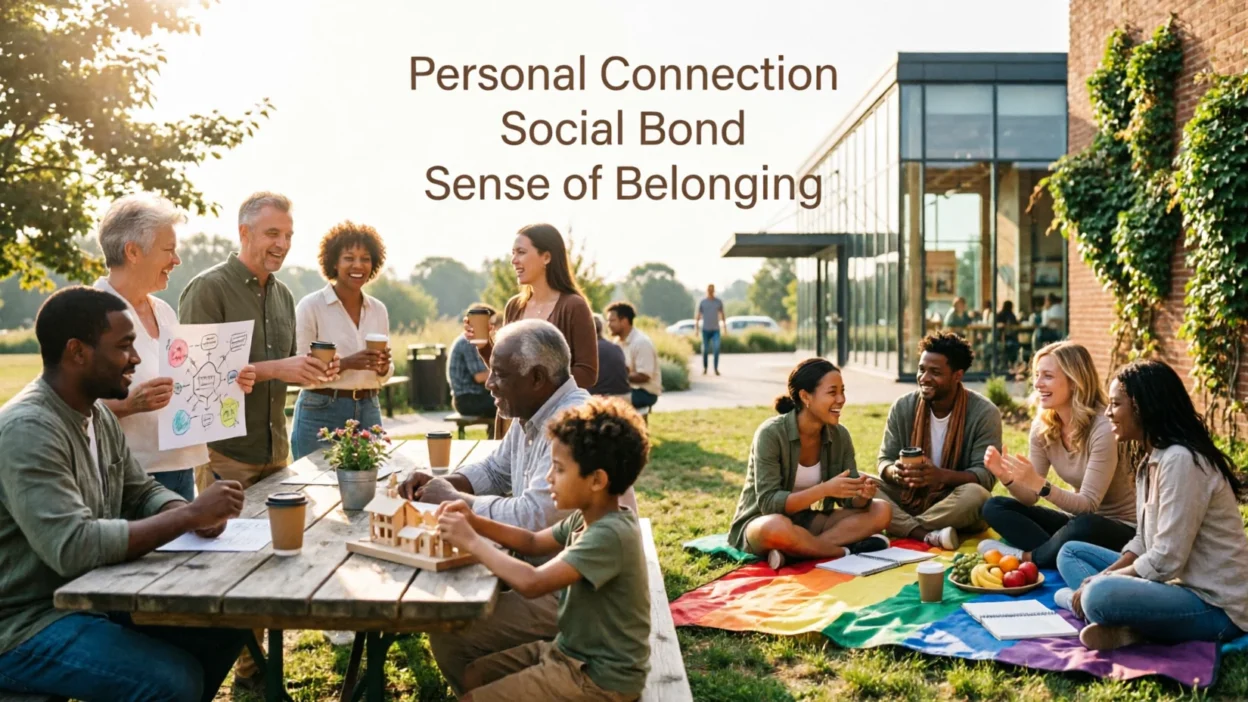
Human connection is at the heart of relationships, communities, workplaces, and personal well-being. Whether you’re discussing friendships, teamwork, emotional health, leadership, or social interaction, the phrase “human connection” describes the bonds that bring people together and foster understanding, trust, and belonging.
While human connection is a powerful expression, using it repeatedly can make your writing feel repetitive. Learning other ways to say human connection can help you communicate ideas about relationships, empathy, communication, and social bonds with greater variety and impact.
Quick Answer
Other ways to say human connection include personal connection, meaningful relationship, social bond, interpersonal connection, emotional connection, sense of belonging, and genuine rapport. The best alternative depends on the context and audience.
Common Alternatives to Human Connection
Personal Connection
Meaning: A direct and meaningful relationship between people.
Usage Rule: Personal, professional, and social settings.
Example: “Building a personal connection helps strengthen trust.”
Tip: One of the closest alternatives.
Meaningful Relationship
Meaning: A relationship with emotional significance and value.
Usage Rule: Friendships, family, and workplace interactions.
Example: “People thrive when they have meaningful relationships.”
Tip: Highlights quality over quantity.
Social Bond
Meaning: A connection formed through shared experiences and interactions.
Usage Rule: Sociology, psychology, and community discussions.
Example: “Social bonds contribute to emotional well-being.”
Tip: Suitable for academic and professional writing.
Interpersonal Connection
Meaning: A relationship between two or more individuals.
Usage Rule: Workplace, education, and psychology.
Example: “Strong interpersonal connections improve collaboration.”
Tip: Professional and formal.
Emotional Connection
Meaning: A bond based on shared feelings and understanding.
Usage Rule: Relationships and personal development.
Example: “Emotional connection strengthens relationships.”
Tip: Focuses on emotional depth.
Genuine Rapport
Meaning: Natural understanding and mutual respect.
Usage Rule: Professional and social settings.
Example: “The counselor established genuine rapport with clients.”
Tip: Effective in workplace communication.
Shared Understanding
Meaning: Mutual comprehension and empathy.
Usage Rule: Personal and professional relationships.
Example: “Shared understanding creates stronger relationships.”
Tip: Emphasizes communication.
Relationship-Focused Alternatives
Strong Bond
Meaning: A close and enduring relationship.
Usage Rule: Family, friendship, and teamwork.
Example: “The experience created a strong bond among participants.”
Tip: Versatile and widely used.
Human Bond
Meaning: A natural relationship between people.
Usage Rule: Social and emotional discussions.
Example: “Human bonds are essential for well-being.”
Tip: Direct alternative.
Deep Relationship
Meaning: A meaningful and emotionally rich relationship.
Usage Rule: Personal and inspirational writing.
Example: “They developed a deep relationship over time.”
Tip: Highlights emotional closeness.
Close Association
Meaning: A strong relationship between individuals.
Usage Rule: Professional and personal settings.
Example: “Their close association benefited both organizations.”
Tip: Slightly more formal.
Mutual Trust
Meaning: Confidence and reliability shared between people.
Usage Rule: Leadership and teamwork.
Example: “Mutual trust forms the foundation of strong relationships.”
Tip: Focuses on reliability.
Lasting Relationship
Meaning: A connection that remains strong over time.
Usage Rule: Friendships, family, and business.
Example: “The partnership evolved into a lasting relationship.”
Tip: Emphasizes longevity.
Authentic Relationship
Meaning: A sincere and genuine connection.
Usage Rule: Personal development and relationships.
Example: “Authentic relationships improve life satisfaction.”
Tip: Highlights honesty.
Emotional Alternatives to Human Connection
Sense of Belonging
Meaning: Feeling accepted and valued by others.
Usage Rule: Community, workplace, and education.
Example: “A sense of belonging improves well-being.”
Tip: Popular in leadership and culture discussions.
Emotional Bond
Meaning: A connection built on feelings and trust.
Usage Rule: Family and personal relationships.
Example: “The siblings share a strong emotional bond.”
Tip: Focuses on emotional closeness.
Shared Humanity
Meaning: Recognition of common human experiences.
Usage Rule: Inspirational and social discussions.
Example: “Shared humanity helps bridge differences.”
Tip: Powerful and thoughtful phrase.
Empathetic Connection
Meaning: A bond created through understanding and compassion.
Usage Rule: Counseling, leadership, and healthcare.
Example: “Empathetic connections improve communication.”
Tip: Highlights emotional intelligence.
Heartfelt Relationship
Meaning: A sincere and caring relationship.
Usage Rule: Personal and creative writing.
Example: “They formed a heartfelt relationship.”
Tip: Warm and expressive.
Emotional Resonance
Meaning: A strong emotional response or connection.
Usage Rule: Personal growth and storytelling.
Example: “The story created emotional resonance with readers.”
Tip: Creative alternative.
Deep Understanding
Meaning: Strong comprehension of another person’s feelings or experiences.
Usage Rule: Relationships and counseling.
Example: “Deep understanding strengthens trust.”
Tip: Focuses on empathy.
Workplace Alternatives to Human Connection
Professional Rapport
Meaning: Positive understanding between colleagues.
Usage Rule: Business and leadership.
Example: “Professional rapport improves teamwork.”
Tip: Common workplace phrase.
Collaborative Relationship
Meaning: A connection built through teamwork.
Usage Rule: Organizations and projects.
Example: “The departments established a collaborative relationship.”
Tip: Emphasizes cooperation.
Team Cohesion
Meaning: Unity and connection within a group.
Usage Rule: Workplace and sports teams.
Example: “Team cohesion boosts productivity.”
Tip: Great for organizational discussions.
Workplace Relationships
Meaning: Professional connections among employees.
Usage Rule: HR and management.
Example: “Healthy workplace relationships improve morale.”
Tip: Straightforward and effective.
Mutual Respect
Meaning: Shared appreciation and consideration.
Usage Rule: Leadership and teamwork.
Example: “Mutual respect creates a positive culture.”
Tip: Essential for professional environments.
Strong Working Relationship
Meaning: Productive professional partnership.
Usage Rule: Business communication.
Example: “They maintain a strong working relationship.”
Tip: Practical alternative.
People-Centered Interaction
Meaning: Communication focused on individuals and relationships.
Usage Rule: Leadership and customer service.
Example: “People-centered interactions build trust.”
Tip: Modern and professional.
Community and Social Alternatives
Social Connection
Meaning: Relationships and interactions with others.
Usage Rule: Community and mental health discussions.
Example: “Social connections contribute to happiness.”
Tip: Popular modern phrase.
Community Bond
Meaning: A connection among members of a group or community.
Usage Rule: Community development.
Example: “The event strengthened community bonds.”
Tip: Emphasizes belonging.
Human Interaction
Meaning: Communication and engagement between people.
Usage Rule: General discussions.
Example: “Human interaction remains important in a digital world.”
Tip: Broad and versatile.
Collective Connection
Meaning: Shared relationships within a group.
Usage Rule: Community and organizational settings.
Example: “The project encouraged collective connection.”
Tip: Focuses on unity.
Social Engagement
Meaning: Active participation and interaction with others.
Usage Rule: Community and workplace discussions.
Example: “Social engagement improves quality of life.”
Tip: Common in wellness content.
Shared Experience
Meaning: Connection formed through common activities or events.
Usage Rule: Community and relationship discussions.
Example: “The challenge created a shared experience.”
Tip: Highlights common ground.
Network of Relationships
Meaning: Multiple interconnected relationships.
Usage Rule: Professional and community settings.
Example: “Success often depends on a strong network of relationships.”
Tip: Useful in business content.
Creative Alternatives to Human Connection
Bridge Between People
Meaning: Something that brings individuals together.
Usage Rule: Inspirational writing.
Example: “Music can be a bridge between people.”
Tip: Visual and memorable.
Spirit of Togetherness
Meaning: A feeling of unity and belonging.
Usage Rule: Community and event descriptions.
Example: “The celebration fostered a spirit of togetherness.”
Tip: Positive and uplifting.
Connection Beyond Words
Meaning: Understanding that goes deeper than conversation.
Usage Rule: Creative and emotional writing.
Example: “They shared a connection beyond words.”
Tip: Poetic alternative.
Thread That Connects Us
Meaning: A shared element that unites people.
Usage Rule: Inspirational content.
Example: “Compassion is the thread that connects us.”
Tip: Creative and meaningful.
Shared Journey
Meaning: A connection built through experiences together.
Usage Rule: Personal and professional storytelling.
Example: “Their shared journey strengthened their bond.”
Tip: Excellent for narratives.
Common Ground
Meaning: Shared interests, values, or experiences.
Usage Rule: Communication and conflict resolution.
Example: “Finding common ground improves relationships.”
Tip: Practical and widely understood.
Human Touch
Meaning: Personal warmth and interaction.
Usage Rule: Customer service and leadership.
Example: “Technology should never replace the human touch.”
Tip: Popular modern phrase.
Placement and Grammar Rules Table
| Phrase | Tone | Example |
|---|---|---|
| Personal Connection | General | Building a personal connection increases trust |
| Professional Rapport | Professional | Professional rapport improves teamwork |
| Sense of Belonging | Inspirational | A sense of belonging strengthens communities |
Common Mistakes
Using Human Connection Too Broadly
Meaning: The phrase can refer to many different types of relationships.
Usage Rule: Choose a more specific alternative when possible.
Example: Use “professional rapport” for workplace relationships.
Tip: Increase clarity.
Confusing Connection With Communication
Meaning: Communication helps create connection, but they are not the same.
Usage Rule: Distinguish between interaction and relationship.
Example: Frequent communication does not always create connection.
Tip: Focus on relationship quality.
Overusing Emotional Language
Meaning: Excessive emotional wording may reduce impact.
Usage Rule: Mix emotional and practical alternatives.
Example: Alternate between “social bond” and “emotional connection.”
Tip: Improve readability.
Ignoring Context
Meaning: Different situations require different terminology.
Usage Rule: Match the phrase to the audience.
Example: “Team cohesion” works better than “heartfelt relationship” in business settings.
Tip: Stay context-appropriate.
Choosing Vague Alternatives
Meaning: General terms may lack precision.
Usage Rule: Specify the type of connection when possible.
Example: Mention social, emotional, or professional relationships.
Tip: Enhance understanding.
Practical Example Paragraphs
“Strong human connections are essential for personal well-being and professional success. Through mutual trust, shared understanding, and meaningful relationships, people build support systems that help them navigate challenges and achieve their goals.”
“In the workplace, professional rapport and team cohesion create a collaborative culture where employees feel valued and engaged. Organizations that prioritize genuine relationships often experience stronger communication and better performance.”
FAQs
What is another word for human connection?
Popular alternatives include “personal connection,” “social bond,” “meaningful relationship,” and “emotional connection.”
What is a professional alternative to human connection?
“Professional rapport,” “collaborative relationship,” and “team cohesion” are strong workplace alternatives.
What can I use instead of human connection in writing?
You can use “shared understanding,” “sense of belonging,” “genuine rapport,” or “social connection.”
Is emotional connection the same as human connection?
Not exactly. Emotional connection is one type of human connection that focuses specifically on feelings and emotional bonds.
What is the best alternative for community discussions?
“Community bond,” “social connection,” and “spirit of togetherness” are excellent choices.
Final Thoughts
Using other ways to say human connection can make your writing more engaging, precise, and impactful. Different alternatives allow you to emphasize relationships, trust, belonging, empathy, and collaboration without repeating the same phrase.
Whether you’re discussing personal relationships, workplace culture, community engagement, or emotional well-being, selecting the right alternative helps communicate your message more effectively and authentically.

Watson Maddox is a leadership and mindset writer known for his bold, straightforward voice.
He shares lessons on resilience, discipline, and high performance drawn from real-world experience.
His mission is simple: build strength, take action, and never settle for average.