
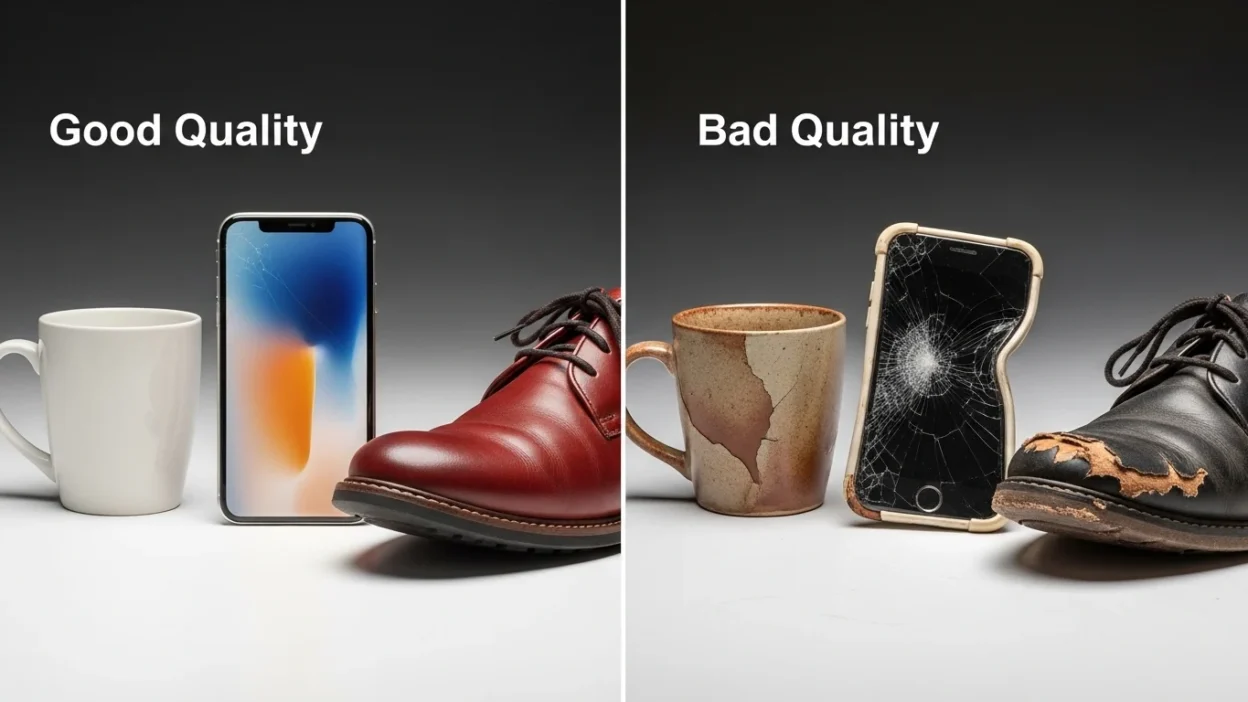
The word “bad” is one of the most commonly used negative descriptors in English, but it often lacks precision.
Whether you’re describing poor performance, negative behavior, or low quality, using “bad” repeatedly can make your communication sound vague and unpolished.
Learning other ways to say bad helps you express exactly what you mean. From mild dissatisfaction to serious criticism, choosing the right alternative improves clarity, strengthens your message, and enhances both professional and creative communication.
Quick Answer:
You can replace “bad” with words like “poor,” “terrible,” “awful,” or “unpleasant,” depending on the situation and intensity.
Mild Alternatives for “Bad”
Poor
- Meaning: Below average quality
- Usage: Professional and neutral contexts
- Example: The performance was poor
- Tip: Common and versatile
Subpar
- Meaning: Below standard
- Usage: Formal/professional
- Example: The results were subpar
- Tip: Slightly formal tone
Unsatisfactory
- Meaning: Not meeting expectations
- Usage: Formal feedback
- Example: The outcome was unsatisfactory
- Tip: Professional alternative
Weak
- Meaning: Lacking strength or quality
- Usage: Evaluations
- Example: That argument is weak
- Tip: Context-specific
Mediocre
- Meaning: Average but not good
- Usage: Neutral criticism
- Example: The movie was mediocre
- Tip: Balanced tone
Flawed
- Meaning: Containing mistakes
- Usage: Analytical contexts
- Example: The plan is flawed
- Tip: Focus on defects
Off
- Meaning: Slightly wrong
- Usage: Casual speech
- Example: Something feels off
- Tip: Informal tone
Strong Alternatives for “Bad”
Terrible
- Meaning: Very bad
- Usage: Strong criticism
- Example: The service was terrible
- Tip: High intensity
Awful
- Meaning: Extremely bad
- Usage: Emotional emphasis
- Example: That was an awful experience
- Tip: Dramatic tone
Horrible
- Meaning: Extremely unpleasant
- Usage: Strong emotional reaction
- Example: The weather was horrible
- Tip: Negative impact
Dreadful
- Meaning: Very bad or serious
- Usage: Formal or dramatic
- Example: A dreadful mistake occurred
- Tip: Slightly formal
Atrocious
- Meaning: Shockingly bad
- Usage: Strong critique
- Example: The conditions were atrocious
- Tip: Intense word
Appalling
- Meaning: Causing shock/disapproval
- Usage: Formal/emotional
- Example: The behavior was appalling
- Tip: Moral judgment
Disastrous
- Meaning: Causing great damage
- Usage: Serious outcomes
- Example: The launch was disastrous
- Tip: High-stakes situations
Professional & Polite Alternatives
Inadequate
- Meaning: Not sufficient
- Usage: Professional critique
- Example: The response was inadequate
- Tip: Formal tone
Ineffective
- Meaning: Not producing results
- Usage: Workplace
- Example: The strategy was ineffective
- Tip: Outcome-focused
Problematic
- Meaning: Causing issues
- Usage: Professional discussions
- Example: This approach is problematic
- Tip: Soft criticism
Unacceptable
- Meaning: Not allowed
- Usage: Strong professional tone
- Example: This behavior is unacceptable
- Tip: Firm language
Deficient
- Meaning: Lacking quality
- Usage: Formal/technical
- Example: The system is deficient
- Tip: Technical contexts
Unsuitable
- Meaning: Not appropriate
- Usage: Professional
- Example: The design is unsuitable
- Tip: Context-based
Unfavorable
- Meaning: Not beneficial
- Usage: Reports/business
- Example: The results were unfavorable
- Tip: Analytical tone
Casual & Slang Alternatives
Lousy
- Meaning: Very bad
- Usage: Informal
- Example: That was a lousy game
- Tip: Common casual term
Crappy
- Meaning: Poor quality
- Usage: Informal/slang
- Example: This phone is crappy
- Tip: Avoid professionally
Sucks
- Meaning: Very bad
- Usage: Casual slang
- Example: This situation sucks
- Tip: Informal only
Trash
- Meaning: Extremely bad
- Usage: Modern slang
- Example: That movie was trash
- Tip: Youth slang
Sketchy
- Meaning: Suspicious/bad
- Usage: Informal
- Example: That deal seems sketchy
- Tip: Implies risk
Messed up
- Meaning: Wrong or bad
- Usage: Casual
- Example: That was messed up
- Tip: Emotional tone
Rough
- Meaning: Difficult/bad
- Usage: Informal
- Example: It’s been a rough day
- Tip: Situational use
Context-Based Alternatives
Negative
- Meaning: Opposite of positive
- Usage: Neutral analysis
- Example: The feedback was negative
- Tip: Balanced tone
Harmful
- Meaning: Causing damage
- Usage: Serious contexts
- Example: Smoking is harmful
- Tip: Health/safety context
Damaging
- Meaning: Causing harm
- Usage: Formal
- Example: The scandal was damaging
- Tip: Long-term effect
Risky
- Meaning: Involving danger
- Usage: Advisory
- Example: That decision is risky
- Tip: Cautionary
Faulty
- Meaning: Defective
- Usage: Technical
- Example: The device is faulty
- Tip: Product issues
Corrupt
- Meaning: Morally wrong
- Usage: Ethical context
- Example: A corrupt system
- Tip: Strong moral tone
Toxic
- Meaning: Harmful environment
- Usage: Social/emotional
- Example: That workplace is toxic
- Tip: Modern usage
Placement & Grammar Rules Table
| Phrase | Placement | Tone | Example Sentence |
|---|---|---|---|
| Poor | Predicate/Adjective | Neutral | The results were poor |
| Terrible | Predicate/Adjective | Strong | The experience was terrible |
| Inadequate | Predicate/Adjective | Formal | The response was inadequate |
| Lousy | Predicate/Adjective | Casual | That was a lousy attempt |
| Problematic | Predicate/Adjective | Professional | This approach is problematic |
| Harmful | Predicate/Adjective | Serious | Smoking is harmful |
| Mediocre | Predicate/Adjective | Neutral | The performance was mediocre |
Common Mistakes to Avoid
- Using vague terms like “bad” too often: Reduces clarity
- Choosing overly strong words unnecessarily: “Atrocious” for minor issues
- Using slang in formal writing: Avoid “crappy” professionally
- Ignoring context: Match tone to situation
- Repeating the same synonym: Use variety
Practical Example Paragraphs
Instead of saying “The results were bad,” you could write: “The results were unsatisfactory and require further analysis.” This improves clarity and professionalism.
In casual conversation, instead of saying “That was bad,” you might say: “That was a rough experience.” This sounds more natural and expressive.
FAQs
What can I say instead of bad?
You can say “poor,” “terrible,” “awful,” or “unsatisfactory.”
What is stronger than bad?
“Terrible,” “atrocious,” and “horrible” are stronger.
What is a professional alternative?
“Inadequate” or “unsatisfactory.”
Is lousy formal?
No, it is informal.
Why use alternatives?
They improve clarity, tone, and communication quality.
Final Thoughts
Using other ways to say bad allows you to express negative ideas more precisely and effectively. It helps you match the tone, intensity, and context of your message.
By expanding your vocabulary, you can communicate with greater clarity, sound more professional, and make your writing more engaging and impactful.

Miller Rhodes is an American nonfiction writer focused on personal growth and modern entrepreneurship.
His work blends thoughtful analysis with practical strategies for navigating today’s digital world.
He writes to help readers think clearer, act smarter, and build meaningful success.